Collected by the honeybee, bee pollen is described as one of the richest and most complete foods in nature, a balanced natural multivitamin. Bee pollen is often called nature's superfood because it contains a wide range of nutrients, including proteins, carbs, lipids, fatty acids, vitamins, minerals, enzymes, and antioxidants.

Whether you’re chasing an energy lift, extra immune support, or a natural addition to a wellness stack you already trust, Manuka South’s NZ bee pollen granules bring this multivitamin richness to support your daily routine.

Who Bee Pollen Is Good for

Bee pollen suits almost anyone looking to round out their diet with a genuine whole-food multivitamin, rather than a synthetic one. It's a popular choice for people wanting support through busy, high-output seasons, training blocks, or simply the change of seasons when immunity needs a bit more help.

Vegetarians often choose bee pollen supplements as a plant-adjacent complete protein source, and people with demanding workloads reach for it as a natural way to support sustained energy and focus, rather than relying on caffeine alone.

As with any new supplement, it's worth checking in with your doctor first if you're pregnant, breastfeeding, or on regular medication.

What Bee Pollen Helps with

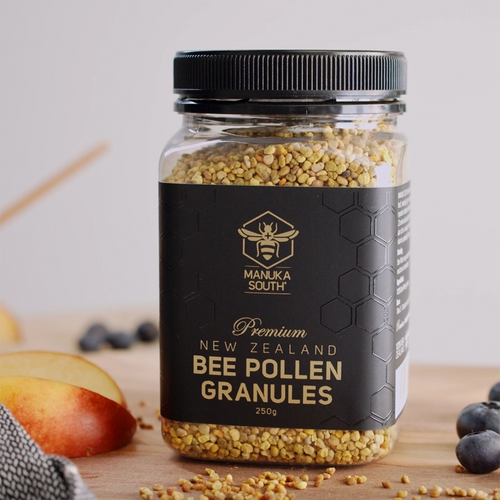
Jar of New Zealand Bee Pollen Granules
Supporting Focus & Clarity

Brain Health Support

Bee pollen contains essential fatty acids, including Omega-3 and Omega-6, which support overall brain health, along with vital amino acids and vitamins.

These nutrients—such as Omega-3s, B vitamins, and phenylalanine—are known to support cognitive function, focus, and mental clarity, making bee pollen a natural brain-supportive food.

Bee Pollen Health Benefits
Help Combat Aging

Antioxidant Support

Bee pollen is packed with antioxidants, such as flavonoids and carotenoids. These antioxidants may help fight oxidative stress and potentially help the body combat diseases.

By supporting the immune system's ability to neutralise free radicals, these compounds help support cellular health and can help protect the body from damage caused by pollution, stress, and ageing.

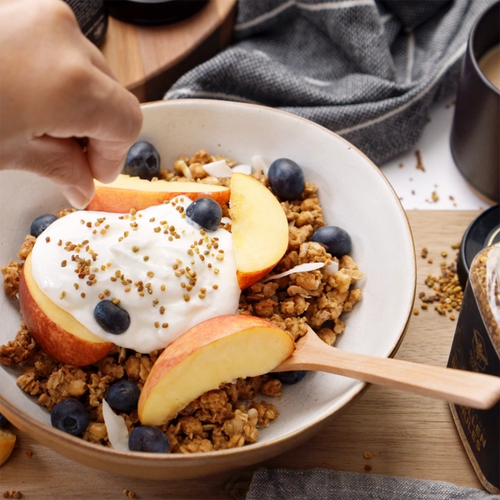
Bee Pollen Granules with yoghurt fruit and cereal
High in Protein

Energy and Muscle Support

Bee pollen contains over 24% protein and essential amino acids, making it helpful for maintaining a balanced diet.

These amino acids are the building blocks of muscle, tissue, and enzymes, making bee pollen granules a nutrient-dense addition for those looking to support energy, strength, and overall body function.
Read our full article to learn more about the health benefits of bee pollen.

Why New Zealand Bee Pollen Stands Apart

Pollen collected across New Zealand’s pasture and native bush carries a distinct botanical fingerprint you won’t find anywhere else, shaped by our clean air, isolated geography, and the sheer diversity of flowering plants our bees forage from season to season.

At Manuka South, we’re FernMark- and Halal-certified, so whether you’re buying for your own pantry or sourcing for an international market, our bee pollen meets the same quality standards as our honey.

Our New Zealand bee pollen granules carry close to 25% complete protein by weight, built from all nine essential amino acids your body can’t produce on its own. Alongside that sits a dense spread of B vitamins for energy metabolism, vitamin C and E as antioxidants, and minerals including calcium, magnesium, potassium, iron, and zinc.

This combination has earned bee pollen its reputation as nature's most complete superfood, rather than just another trend ingredient on a wellness shelf.

Bee Pollen Health Benefits
Power-Packed Pollen

From Flowers, to Bees, to You

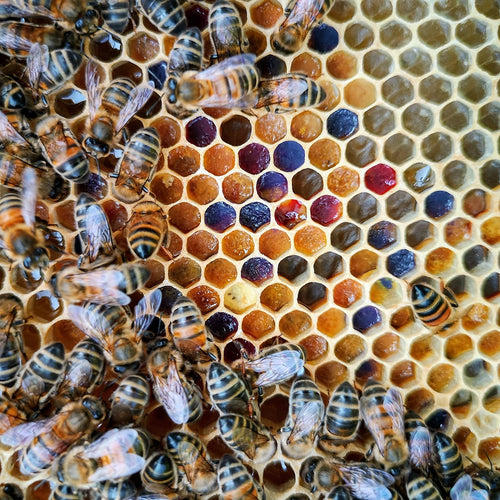
Foraging bees comb pollen from flowers with tiny hairs on their back legs, pack it into neat pellets, and carry it home in their pollen baskets.

Nurse bees eat much of it themselves, activating the glands they use to feed developing larvae, while the rest gets packed into comb cells with a little honey and bee saliva. Here, it ferments slowly into what beekeepers call bee bread, a softer store the colony lives on through the season.

We only take a small share of what they collect. Pollen traps fitted at the hive entrance gently brush a portion of pollen pellets from the bees' legs as they pass through, leaving the colony with everything it needs to keep raising brood and building stores.

From there, timing matters. Fresh pollen carries a lot of moisture, so it's frozen within hours of collection to stop it from fermenting or growing mould. Then it's carefully defrosted, dried, and sieved to remove any stray bee parts or bits of wax, and packed into the granules you see in the jar as a shelf-stable product while it's still at its most potent.

That's the journey behind every spoonful: flower to leg, hive to bread, trap to jar, done fast enough to keep its vitamins, minerals, and enzymes intact. Buy bee pollen from Manuka South, producers of the best honey in NZ.

Learn More About Bee Pollen

How to Take New Zealand Bee Pollen Granules

Take two teaspoons (10g) daily with food, and aim for consistency rather than one big dose every now and then. Stir a spoonful through yoghurt or porridge, blend it into a morning smoothie, or scatter it over muesli. If it's your first time trying bee pollen, start with half a teaspoon for a few days so your body can adjust before working up to the full serve.

Keep your granules in a cool, dry spot out of direct sunlight. If you'd like them to stay fresher for longer, the fridge works well too.

Buy Bee Pollen Supplements from Manuka South

Ready to add New Zealand's richest natural multivitamin to your routine? Shop our bee pollen granules alongside UMF-certified Manuka honey, propolis, and royal jelly, and build a better wellness routine today!

FAQ

How Do I Store Bee Pollen?

Store bee pollen in a cool, dry place away from direct sunlight. Some people prefer to keep it in the refrigerator for extended freshness.

Can Children Consume Bee Pollen?

Yes, children can consume bee pollen, but it's best to consult a healthcare provider for appropriate dosages and to rule out any allergies.

Is Bee Pollen Vegan?

No, bee pollen is not considered vegan as it is a by-product of bees.

How Much Bee Pollen Should I Take Daily?

Most people do well with two teaspoons (10g) a day, taken with food. If you're trying bee pollen for the first time, start with half a teaspoon for a few days to see how your body responds. Always consult a healthcare provider for personalised advice.

Is Bee Pollen Safe If I Have Allergies?

Bee pollen can trigger a reaction in people who are sensitive to pollen, bee stings, or other bee products. If you have hay fever, asthma, or a known bee allergy, talk to your doctor before trying it, and start with a very small amount to see how you react.