



Best Manuka Honey Brand
A Buyer’s Checklist (2025)We’ve put this guide together to make your quest to find good manuka honey brand names easier and less confusing. Our top priority is product integrity, and we’re committed to strong governance from hive to jar, with clear records and support you can count on.
Inside this article:
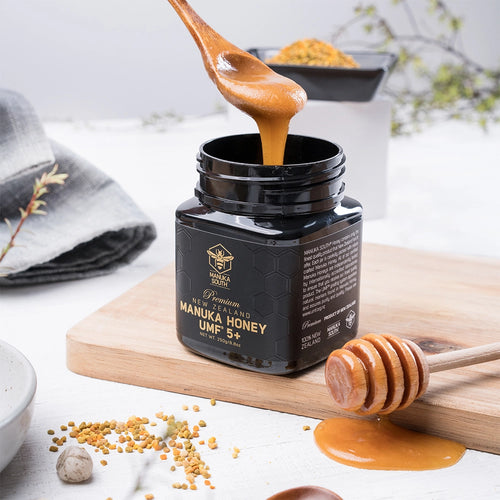
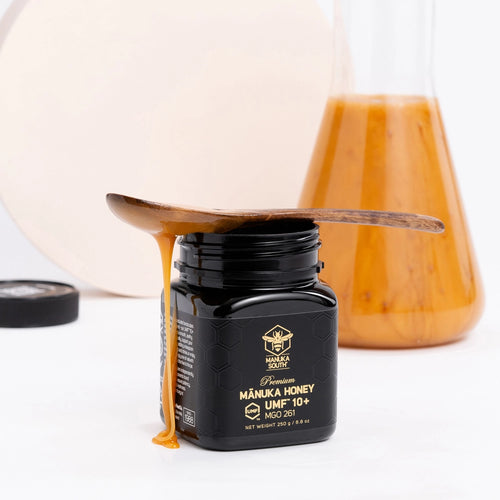
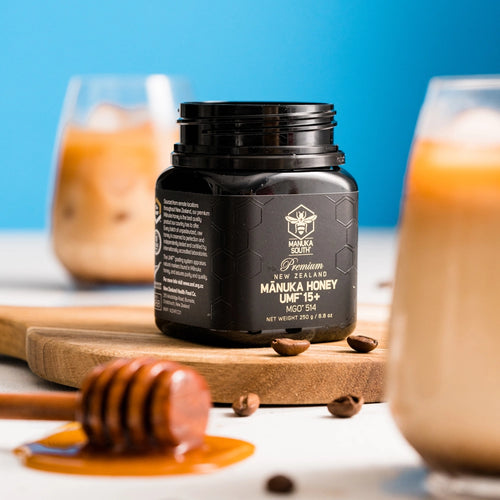
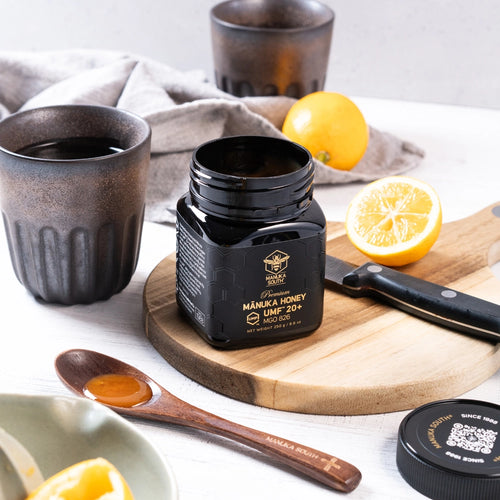
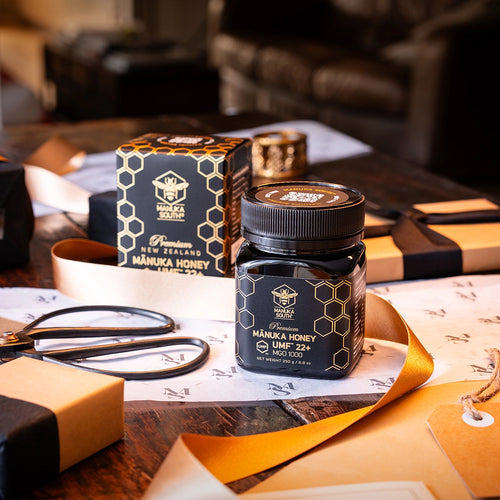
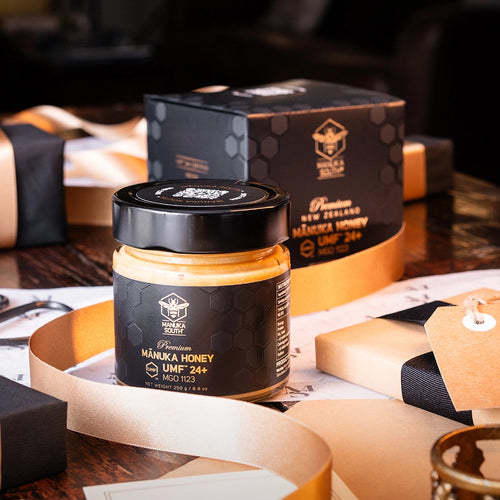

Rather than a deep dive into labels or potency, this is a practical framework you can use straight away.
We’ll keep things clear, speaking as New Zealand producers who value evidence, careful handling, and honest answers. This guide is brand-neutral, so you can use it with any shortlist you’re considering.
Why Brand Matters When You Buy Manuka Honey
A strong brand is committed to stable practices, season after season. They put systems in place to protect the honey at every stage, so you’re not just getting a one-off great batch, but reliable quality, consistent flavour, and the same grade every time you come back for another jar. This is why a honey brand's reputation matters for quality.
What to look for, at a glance:
- Named standards with independent verification
- Batch codes that map to test records and dates
- Clear service channels for refunds and replacements
- Public quality policy that covers sourcing, testing, and recalls
Regional Origin and Label Transparency
When you’re looking for a good Manuka honey brand, the best information is on the jar itself. Genuine New Zealand honey brands always show their country of origin, usually as “Product of New Zealand.” This tells you the honey was made, tested, and packed under New Zealand’s strict food and export rules.
Top brands also show certification marks like UMF™ or MGO. These marks mean the honey has been tested by an independent lab and meets trusted grading standards. The grades reflect the special natural compounds found in Manuka honey.
Look for brands that clearly show where their honey comes from and what standards it meets. Real producers give this proof on their packaging or website.
What to look for on the label or website:
- “Product of New Zealand” is clearly shown
- UMF™ or MGO grade is easy to see on the front label
- The official UMFHA licence number is included (if it applies)
- The expiry or best-before date is printed on the jar
- The brand’s website gives information about testing or how the honey is authenticated
Authentication and Batch Verification
If you want to make sure your premium Manuka honey is authentic, batch verification is one of the best ways to check. This process lets you confirm that your jar has passed official independent testing in New Zealand.
Every jar of Manuka South honey has its own batch number , which connects to test results from accredited labs. You can enter this code on our website’s Honey Batch Authentication page to see the official UMF™ certification for your batch. This way, you know the honey’s grade, purity, and strength have been checked before it gets to you.
It only takes a moment to check the batch number, and it guarantees that your honey is genuine and independently tested, not a fake or mislabelled product.
What buyers can check easily
- Confirm that the jar displays a unique batch number*
- Visit the brand’s authentication page to verify your batch
- Review the independent lab results associated with your code
- Make sure the UMF™ grade shown online matches the jar label
*Note: You can check the batch number before buying in physical stores, but for online purchases, you have to wait until your order arrives to see which batch number you received.
Anti-Counterfeit Features And Authorised Retailers
Counterfeit risk rises as a product gains popularity. It’s best to look for Manuka honey anti-counterfeit packaging features. Here’s how:
Brands can cut that risk by adding multiple checks to each jar and by tightening sales channels. Tamper-evident closures and unique identifiers make it easier to spot faults. Batch codes that link to a public record let buyers verify the jar they hold.
Where you buy matters too.
Authorised retailers follow the brand’s handling rules, keep records, and resolve issues promptly. If a jar was bought through an unknown channel, service is slower, and verification is harder.
Here’s how to spot counterfeit manuka honey in NZ:
- They don’t have a tamper-evident seal or a unique identifier present
- The batch code doesn’t check out on the brand’s site
- The retailer you’re buying from isn’t listed on the brand’s store locator or confirmed by their customer support

Packaging That Protects Honey Quality
Packaging should keep the product safe, not just look fancy. When comparing Manuka brands, pay attention to what you can see on the jar or box. Good packaging protects the honey from light, air, and tampering, so it stays fresh for you.
Many high-quality Manuka products, like our Limited Reserve range, use dark or non-transparent packaging to block out light. This could be a dark jar, an outer case, or a protective box. The goal is to limit light exposure and keep the honey stable while it is stored.
Seals matter too. A tamper-evident seal or tight closure lets you know the jar has not been opened after packing. Clean, undamaged packaging and a clear label also show the product was handled carefully during shipping.
You do not need to test the lids or packaging in the store. Just a quick look is enough.
Here’s what you can easily check:
- The jar or box is dark or not see-through, which helps keep out light
- There is a tamper-evident seal or the closure is clearly unbroken
- The packaging looks clean and has no leaks, dents, or tears
- The label is easy to read and shows the product name, grade, batch number, and best-before date
Customer Support, Refunds, And Batch Queries
Great service is what closes the loop. Even the most careful producers can run into the occasional issue. What sets a reliable Manuka honey brand apart is how quickly and clearly they respond.
Look for a named contact channel, clear timelines, and straightforward refund or replacement rules. If the team asks for a batch code and receipt, that’s not just red tape; it’s how they get to the bottom of the problem and fix it for you.
Fast, transparent service gives you confidence and shows respect for both you and the product. It also helps the brand improve packing and delivery for everyone in the future.
Look for:
- Refund and replacement policy written in plain language
- A clear path to submit batch codes and photos
- Follow-up messages that confirm actions taken

Price-To-Quality Framework For Honey Buyers
Price isn’t always a perfect indicator of quality. A fair way to judge is to compare the price with the proof provided. The more you can verify from public records, the more justified a premium price becomes. If a jar is expensive but comes with little documentation, it might be best to skip it. If two jars cost the same but one has better batch data and storage controls, that’s the safer bet.
We see price as just one part of the package. The full picture includes sourcing proof, thorough testing, careful handling, protective packaging, and responsive service. When you weigh all these together, you get a much clearer sense of real value.
Add the scores and compare across your shortlist. The approach should be easy to do.
Where To Buy The Best Manuka Honey Brand Safely
Stick to channels the brand supports. Buying from the brand’s website or listed retailers means they follow proper handling rules and keep full records. This makes it much easier and faster to get help if anything goes wrong, and it lowers the risk of temperature abuse or old stock.
Hold onto your receipts and snap a photo of the batch code. If you transfer honey into your own containers at home, label them with the batch and date. Keeping good records helps you know exactly what you have and when you bought it.
Buying checklist
- Buy from the brand’s site or a listed retailer
- Save receipts and batch photos
- Check the freshness guidance on the site
- Store the jar away from light and heat
Practical Checklist For Shortlisting Brands
When you’re looking at Manuka brands online or in a store, you usually only have a few seconds to decide. This checklist highlights simple details you can spot or find easily, without needing any special expertise.
1. Label And Certification
Start by checking these details on the front and back of the jar:
- “ Product of New Zealand ” is clearly printed
- A recognised UMF™ grade (for example, UMF 10+, 15+, 20+ or higher) or an MGO number
- The UMF™ mark and licence number are printed on the label for UMF-certified brands
2. Batch And Authentication
Next, see how simple it is to confirm the jar is authentic:
- A batch number printed on the label or base
- Reference on the packaging or website to batch testing or Honey Batch Authentication
- Option to scan a QR code or visit the brand’s site to view lab results and UMF certificate for that batch
3. Packaging And Condition
No matter where you buy it, the product should arrive in good condition:
- A sealed lid or clear tamper-evident feature
- Dark or non-transparent packaging that helps limit light exposure
- Packaging that looks clean and intact , without leaks, dents, or torn boxes
4. Where You Buy
Who you buy from is just as important as the jar you pick:
- Buying from the brand’s official website or a retailer listed or recommended by the brand
- Product photos and descriptions that match what you see on the brand’s own site
- No unusually low prices for very high UMF or MGO grades
5. Support And Policies
If something goes wrong, you’ll want to know who to reach out to:
- Contact details for customer service are easy to find on the website
- Clear shipping, refund, and replacement information in the footer or help pages
Use this checklist to quickly narrow down your options. Brands that make it easy to check New Zealand origin, UMF licensing, batch testing, packaging quality, and customer support are more trustworthy than those that just show a name and number on the label.
How We Apply This At Manuka South, The Best Manuka Honey Brand in NZ
At Manuka South, we keep the checks in this guide simple for our customers. Whether you buy a jar in a store or online, you can quickly find key details on the label and our website.
All our Monofloral Manuka honey, including the Limited Reserve collection, is UMF™ certified. Each jar shows a UMF™ grade, an MGO number, and a batch code so you can easily check the strength and authenticity.
Every batch is tested in New Zealand at independent labs to meet MPI and UMF™ standards for genuine Manuka honey. You can use the batch code on our Honey Batch Authentication page or scan the QR code on the lid to see the official test results and UMF certificate for your jar.
We also focus on our packaging and materials. Our honey jars are made from recycled glass or rPET (recycled PET plastic), and our boxes use PEFC-certified materials from responsibly managed forests. This helps us use resources wisely while keeping the product safe in dark, non-transparent, or boxed packaging.
If you need help, you can reach us through our website for questions about batches, orders, or our products. You’ll find our support details and policies in the site footer and help sections.
The Smart Way to Choose Real Manuka Honey Brand
Every jar has its own story. With a few simple checks, you can be sure you’re choosing the right one. Look for the UMF™ or MGO grade, a New Zealand origin statement, and a batch code that connects to real lab results.
At Manuka South, we make these steps easy. Our Honey Batch Authentication tool , UMF™ certification, and Limited Reserve collection show the care and attention we put into every jar.
Ready to taste the best Manuka honey brand ? Head on to our shop and curb your Manuka honey cravings!
Further Reading
Can You Be Allergic to Manuka Honey?
Manuka honey, known for its antibacterial properties, is gaining attention for its potential in managing allergies. Can you be allergic to it? This article explores the science behind its benefits and precautions, offering guidance on how Manuka honey might help alleviate allergic reactions, from hay fever to skin conditions.
The Health Benefits of Manuka Honey
Manuka honey, rich in Methylglyoxal (MGO), offers powerful antibacterial benefits for supporting wound healing, oral health, and soothing sore throats.
The Health Benefits of Propolis
Propolis, a natural substance made by bees, offers powerful antibacterial, anti-inflammatory, and antioxidant benefits. It supports immune function, aids wound healing, and promotes heart health. This article explores its health benefits, uses, and ongoing research.
5 Health Benefits of Royal Jelly
Royal jelly, the "crown jewel" of the hive, is renowned for its powerful health benefits, from boosting brain function to easing arthritis. This article explores the science behind royal jelly, revealing why it's a valuable addition to any wellness routine.