



The Ultimate Guide To Finding The Best Manuka Honey (2025)
We know picking the best manuka honey can get confusing with all the numbers, grades, and claims on the label. Our goal is to make things simple and practical, so you can choose with confidence. As New Zealand producers, we focus on verified grading, clear traceability, and careful batch releases. In this guide, we’ll walk you through how grading works, how to read a jar, why some honey is rare, and how region and season affect the flavour.
Inside this article:
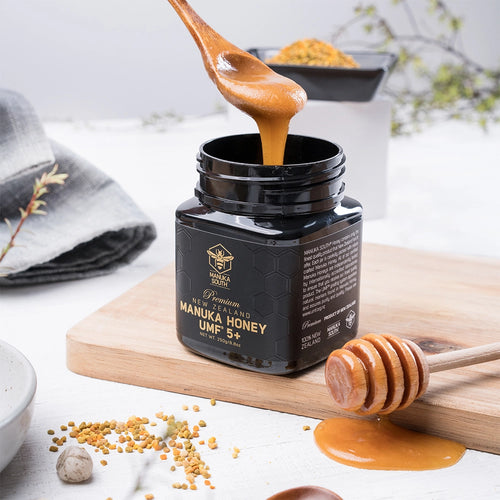
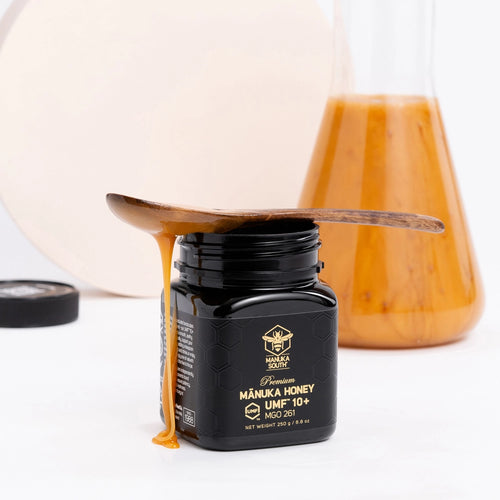
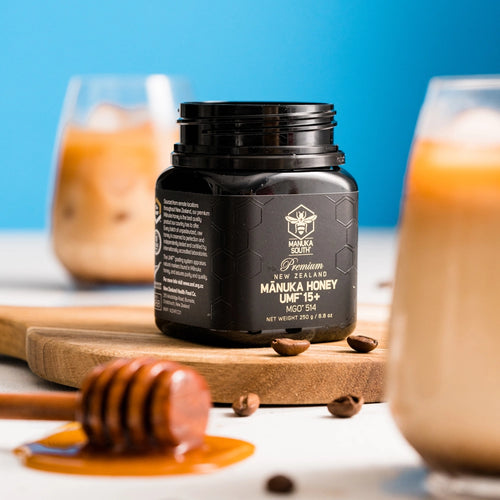
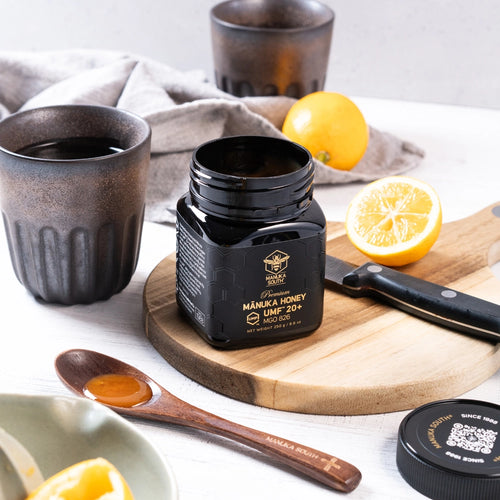
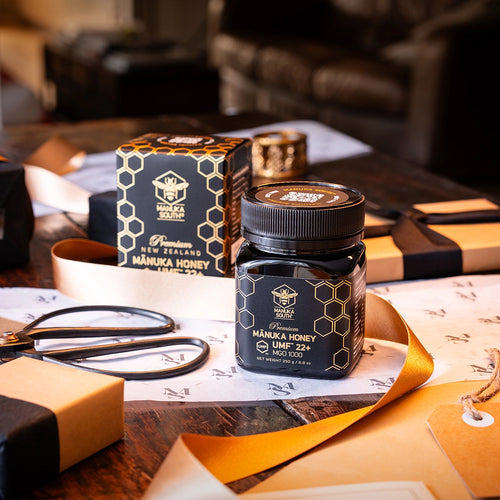
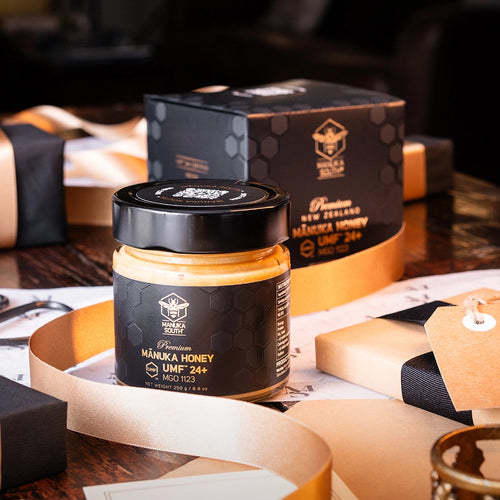

You’ll find easy checklists, quick tips, and clear explanations throughout. We keep things straightforward and honest. If a step needs extra care, we’ll point it out. If a term is confusing, we’ll break it down. We write as a team, sharing how we think about quality at Manuka South.
The Ultimate Guide To Finding The Best Manuka Honey
It’s easy to look at a label, spot a rating, and try to rank every jar by the numbers. But there’s more to it. Different grades are better for different uses, and the highest number isn’t always the best choice for everyday use. We like to start by understanding what each mark means, then look at where the best manuka honey comes from, how it’s handled, and finally, how to store it at home.
What to focus on first
- A recognised quality mark that reflects purity, authenticity, and strength
- A clear rating value with the matching reference on the jar (and outer box if supplied)
- Batch control, harvest origin, and access to test data or certificates
- Storage advice that keeps the jar stable from purchase to the last spoon
Why UMF Vs MGO Matters For Manuka Honey
You will often see UMF and MGO together. They relate, yet they measure different things.
- UMF is a licensed quality mark. It covers a set of compounds and markers linked to authenticity and strength. A UMF grade reflects a broader profile, not just one molecule.
- MGO refers to methylglyoxal and shows concentration in mg/kg. It is a useful signal of raw potency.
The two systems speak to different questions. MGO answers how much of a single compound sits in the jar. UMF answers whether the product shows the right chemical markers of genuine mānuka, plus its strength level, under a licensed framework that includes audits and compliance.
How to use both numbers together
- Use UMF to check identity and grade under a recognised programme
- Use MGO to see the specific methylglyoxal level
- Cross-check that UMF and MGO sit within a sensible range for the printed grade
- Confirm the jar shows a licence reference or a batch link to test data
At Manuka South , our UMF licence number is 1053 , and it is printed on every certified jar.
Authenticity Checklist How to Check for Authentic Manuka Honey in NZ
Genuine mānuka is defined by both chemistry and origin. Authentic jars carry more than a brand logo. They carry verifiable details that you can check before you buy or soon after.
Quick checklist before purchase
- Look for a recognised quality mark such as UMF
- Check the printed MGO number if provided
- Find a batch number on the jar (and box, if supplied)
- “Product of New Zealand” should be on the label for NZ Manuka Honey.
- Look for a licence reference or a way to view lab reports
- Scan the QR code on our lids to view independent lab test results
We suggest keeping a simple record for rare releases. Save the box if it carries the batch label, or note the batch code in your phone. If a certificate or QR link is available, take a moment to review it.
Potency Tiers Explained When To Choose High-UMF Limited Reserve Honey
You don’t need the highest grade for every jar. For daily use, mid-range strengths are usually the sweet spot, as they have the perfect balance of taste, texture, and price. The very high grades are perfect for those who want something rare, with detailed testing and extended maturation. batch control.
A simple way to think about tiers
- Mid-range UMF : balanced profile for table use, good all-round choice
- High UMF : stronger profile, often chosen by collectors and informed buyers
- Limited Reserve : small batches with detailed verification and careful presentation
Our Limited Reserve line has included UMF 32+ and UMF 35+ Legacy releases. The UMF 35+ was matured for over 1,400 days , verified by two MPI-accredited labs , and accompanied by a signed certificate of authenticity. These are examples of how high-potency jars are documented and presented.

Why Limited Reserve Honey Is Rare
Rarity starts in the field. Mānuka flowering windows can be very short. It’s typically between two to six weeks , depending on the weather. Remote sites add time and complexity to harvest and transport. After extraction, careful storage, grading, and sometimes ageing, add more steps before a batch is ready to release.
Factors that limit supply
- Short flowering windows that change with the weather
- Remote harvest sites with access constraints
- Small batch sizes driven by site yield and grading outcomes
- Extra testing and handling before final bottling
How we handle the honey also matters. Only the jars that meet our standards for taste, texture, and chemistry make it into our Limited Reserve line.
How to Read a Manuka Honey Label Correctly to Match Your Needs
The labels of the best manuka honey bottles can be packed with information. The trick is knowing what to check first, what to compare, and what to keep in mind for later.
Start here
- Read the UMF grade to understand overall quality markers
- Check the MGO figure for the concentration of methylglyoxal
- Find the batch number and, if available, a way to view test results
- Check if the best-before date is between 3 and 4 years as this is a sign that the manufacturer cares about the freshness of the bottle you’re buying.
- Pick a jar size you will finish within a few months
If you keep a high-grade jar for special use, choose a smaller size to retain freshness once opened. For frequent table use, a larger jar at a balanced grade makes sense.

Storage And Handling Tips To Protect Your Honey
Storing your honey well keeps it tasting great and easy to use. If it’s not stored right, the texture can change, and the aroma can fade.
Simple storage rules
- Keep jars sealed, in a cool, dry place, away from direct sun
- Use a clean, dry spoon each time
- Do not refrigerate, as it speeds crystallisation
- Avoid microwaves and boiling water. If the texture thickens, use a short, gentle warm-water bath instead.
Shelf-life pointers
- Store upright with the lid tight
- Wipe the rim after each use to avoid build-up
- Note when you opened the jar, especially for high grades
Red Flags to Spot Fake Manuka Honey
Most honey you’ll find online or in stores is genuine, but sometimes a product doesn’t match what it claims. Taking a closer look helps you avoid any surprises.
Warning signs on the shelf
- Missing batch number or best-before date
- No manufacturer’s address on the label
- Packaging that looks copied or poorly printed
- A grade that lacks a recognised quality mark
- For example, if you see a number like 30+ on the front of the label without UMF or MGO next to it, it can be misleading. This does not mean the honey is a high UMF grade. Also, if the price is much lower than other brands with the same UMF or MGO level, it is a good sign the Manuka honey might be fake.
Trustworthy jars make it easy to check their details. You shouldn’t have to jump through hoops.
The Last Spoonful
Now you’ve got a simple way to check any jar of honey. Start with a recognised grade, look at the MGO, and confirm the batch. If there are origin notes, read those too, then pick a jar size that suits how you’ll use it. Keep your honey cool and sealed, use clean utensils, and skip the microwave or boiling water. These easy steps help you get the best from every jar.
If you’re after something special, look for small batches with clear documentation, and pick a size that fits the occasion. For everyday use, go for a balanced grade that tastes great and gives you good value. Save labels or certificates if you want to compare different seasons or regions. If a jar seems off, don’t be afraid to ask for more info or choose one with clear details. Good producers and retailers make it easy to check.
We believe getting the basics right makes all the difference at your table. If you follow these steps, choosing the best manuka honey will be simple, reliable, and enjoyable every time.
Further Reading
Understanding Manuka Honey Grading: MGO to UMF Converter
Discover how UMF and MGO ratings define Manuka honey's exceptional benefits. Use our UMF to MGO calculator to find your perfect match and embrace natural wellness with confidence.
Natural Cold Remedies with Manuka Honey
Manuka honey is a natural remedy for colds, offering antibacterial and antiviral benefits that address the root causes of illness. This article explores how Manuka honey can soothe sore throats, boost immunity, and aid recovery, with practical tips on how to incorporate it into your cold relief routine.
The Ultimate Guide: New Zealand VS Australian Manuka Honey
Uncover why New Zealand Manuka honey, with its unmatched quality and proven health benefits, stands above Australia’s rebranded Jelly Bush honey as the gold standard in natural wellness.
Propolis Science
Propolis is a natural antimicrobial substance collected by bees to protect their hive. Known for its antibacterial, antiviral, and antifungal properties, it has been used for centuries to support immune health, aid in wound healing, and provide powerful antioxidants like flavonoids, which help the body fight toxins and reduce oxidative stress.